Protecting Your Trees from Arizona Heat Stress
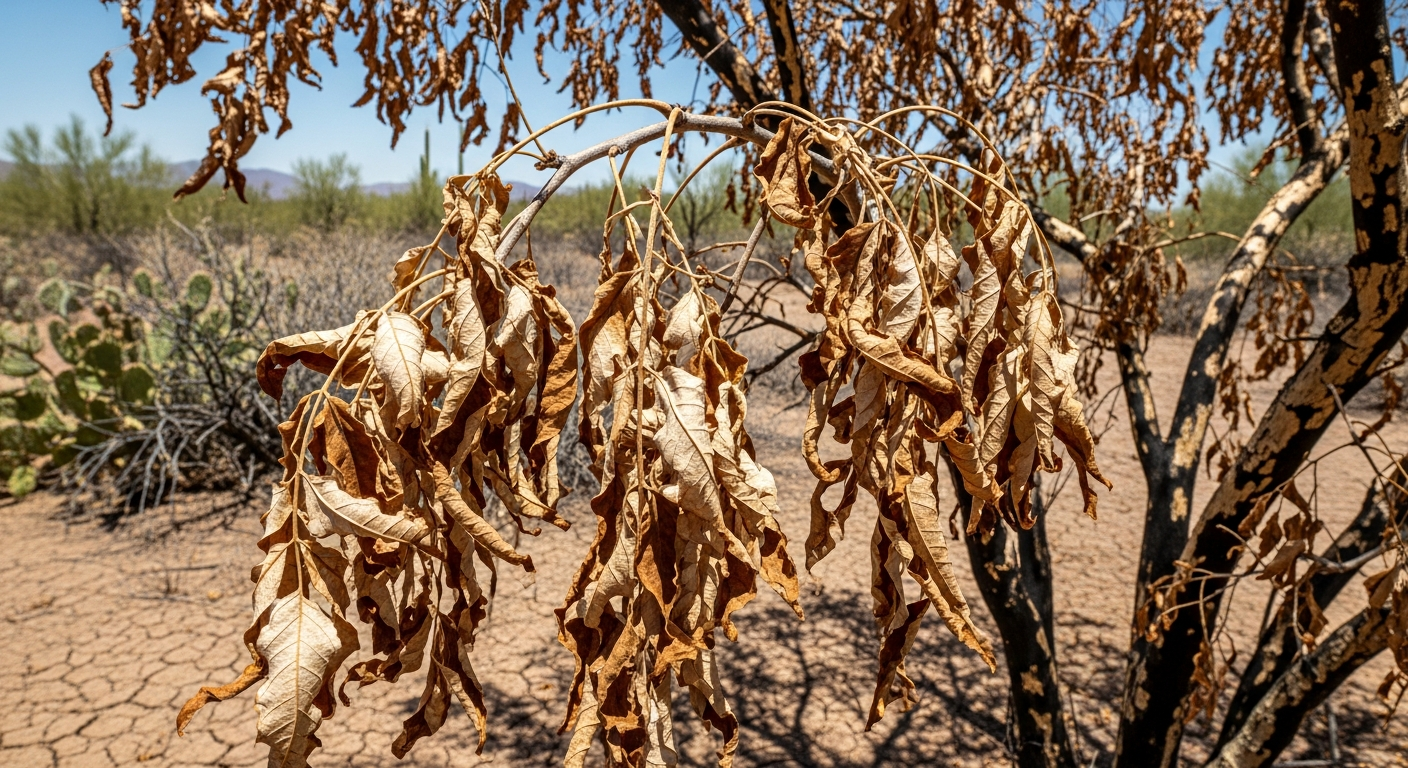
When Peoria temperatures soar above 110°F for weeks on end, even desert-adapted trees can suffer. Learn how to protect your landscape investment from the most brutal heat the Sonoran Desert can deliver.
Understanding Heat Stress in Trees
Heat stress occurs when a tree can't cool itself effectively through transpiration. When temperatures exceed 110°F and humidity drops below 10%, even aggressive transpiration can't keep pace with heat buildup.
Common Symptoms: Wilting leaves during the hottest part of the day, leaf scorch (brown, crispy leaf edges), premature leaf drop, and sunscald on trunk and branches.
Deep Watering is Critical
The foundation of heat stress prevention is maintaining adequate soil moisture. During extreme heat (115°F+), even established desert trees may need supplemental watering.
Best Practices: Water deeply in early morning (before 7 AM) when evaporation is minimal. Aim to wet the soil to a depth of 2-3 feet. For mature trees, this may require 75-100+ gallons per watering session.
Mulch for Temperature Moderation
A 3-4 inch layer of organic mulch around trees can reduce soil surface temperature by 10-20°F while conserving moisture.
Proper Mulching Technique: Spread mulch in a donut shape around the tree, extending from about 1 foot from the trunk out to the dripline. Never pile mulch against the trunk.
Protect Trunks from Sunscald
Sunscald occurs when intense sunlight damages thin-barked trees or previously shaded trunks exposed by pruning.
Prevention Methods: For young or thin-barked trees, wrap trunks with commercial tree wrap or paint with diluted white latex paint (50% paint, 50% water).
Strategic Pruning Timing
Never prune during extreme heat. Pruning creates fresh wounds that stress trees and provide entry points for pests and diseases.
The best time for major pruning in Peoria is late winter (January-February) before spring growth begins.
Which Trees Handle Heat Best?
Excellent Heat Tolerance: Desert willow, Palo verde, Mesquite, Ironwood, Texas ebony, Sweet acacia
Poor Heat Tolerance: Raywood ash, Arizona ash, Mulberry, Chinese elm - these struggle with extreme heat
When to Call for Help
If your trees show severe heat stress symptoms - extensive dieback, major branch loss, or complete defoliation - professional assessment is crucial. Some trees can recover with proper care, while others may pose safety hazards and require removal.
We also offer emergency tree services for storm-damaged or failing trees. Contact Peoria Tree Care Pros at (623) 555-0100 for expert tree health assessment.