How to Identify Common Tree Diseases in Peoria, AZ
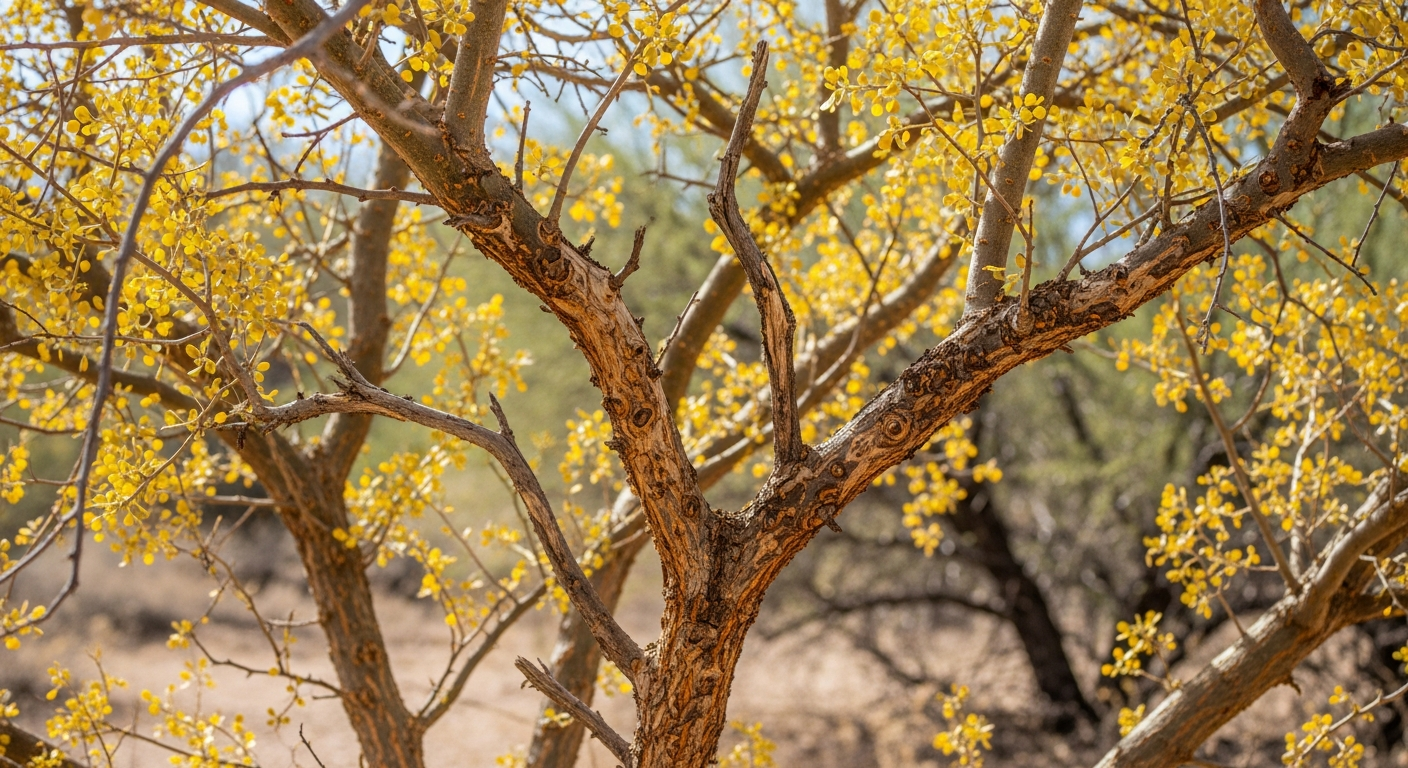
Early detection is key to saving your trees from serious disease. Learn to recognize the warning signs of common tree diseases affecting Peoria's desert landscape.
Mesquite Slime Flux
One of the most common diseases affecting mesquite trees in Arizona, slime flux presents as dark, wet-looking streaks running down the trunk. The bacterial infection causes the tree to "weep" a foul-smelling, fermented sap that attracts insects.
Early Warning Signs: Look for dark staining on the bark, a sour or fermenting odor near the trunk, and increased insect activity around affected areas. The bark may appear waterlogged or discolored.
While slime flux rarely kills mature mesquite trees, it can weaken them and make them more susceptible to other problems. If you notice these symptoms, contact a professional tree service for proper diagnosis and treatment recommendations.
Palo Verde Witches' Broom
Palo verde trees throughout Peoria are susceptible to a disease called witches' broom, caused by a parasitic plant called mistletoe. This condition creates dense clusters of twigs that resemble an old-fashioned broom.
Identifying the Problem: Witches' broom appears as abnormal, bushy growth with shortened internodes. The affected branches will have many small twigs clustered together, different from the tree's normal growth pattern.
These abnormal growths steal nutrients from healthy parts of the tree and can eventually weaken or kill branches. Professional tree trimming to remove affected branches is often necessary to save the tree.
Citrus Greening Disease
For homeowners with citrus trees, citrus greening (also called Huanglongbing or HLB) is a serious concern. This bacterial disease is spread by the Asian citrus psyllid insect and has no cure.
Symptoms to Watch For: Yellow shoots, blotchy mottling on leaves, lopsided or bitter fruit, and premature fruit drop are all warning signs. Affected trees may also show stunted growth and thinning canopies.
Early detection is critical. If you suspect citrus greening, contact your local agricultural extension office immediately. Infected trees typically need to be removed to prevent spread to neighboring citrus.
Root Rot Diseases
Arizona's most devastating tree disease is Texas root rot (also called cotton root rot), caused by the fungus Phymatotrichopsis omnivora. This soil-borne pathogen affects hundreds of plant species and thrives in our alkaline desert soils.
Critical Warning Signs: Sudden wilting and yellowing of leaves during summer months, often affecting the entire tree within days. The leaves typically remain attached to dead branches, and white fungal mats may be visible on roots near the soil surface.
Unfortunately, there is no cure for Texas root rot. Prevention through proper watering, soil management, and choosing resistant species is key. If you suspect root rot, immediate professional assessment can help you understand your options and prevent spread to other landscape plants.
When to Call a Professional
If you notice any unusual symptoms on your trees, early professional diagnosis gives you the best chance of saving them. Our certified arborists can:
- Accurately identify disease problems
- Recommend appropriate treatment options
- Assess whether a tree can be saved or needs removal
- Advise on preventing disease spread to other trees
- Develop a comprehensive tree health management plan
Don't wait until a diseased tree becomes a safety hazard. Contact Peoria Tree Care Pros at (623) 555-0100 for expert tree disease diagnosis and treatment recommendations.